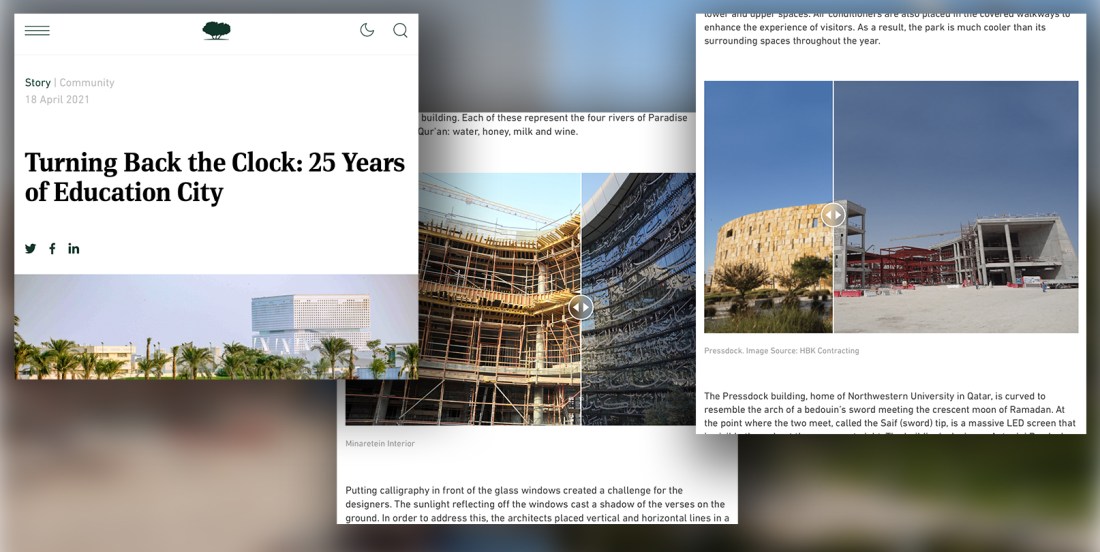
Over the past 25 years, Qatar Foundation’s Education City has been the site of rapid transformation. What was once a small village on the outskirts of Doha is now a global hub for learning, research and innovation, and community life.
Each building has a story behind it that has helped to shape the destinies of those who have lived, worked, and learned in them.
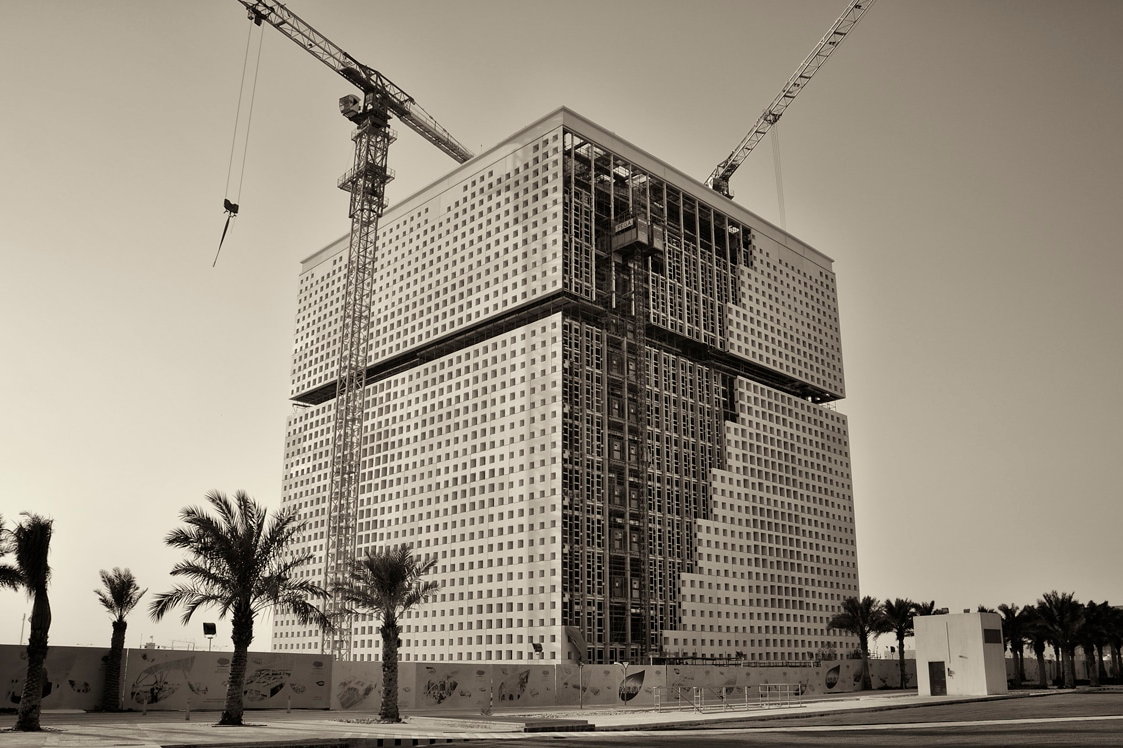
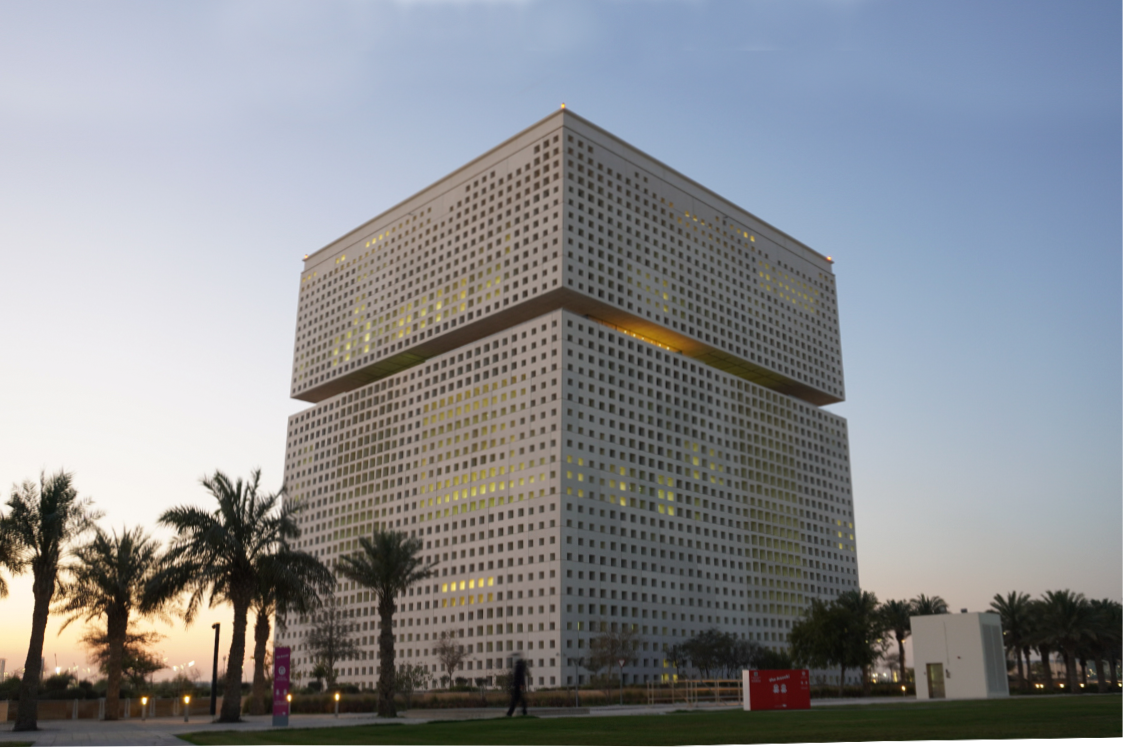
The 2015 building (Qatar Foundation Headquarters) is a wonder of structural engineering. The upper part is detached from the rest of the building at the 8th floor, where a balcony overlooks the entire campus. On the inside, two towers that are connected by sky bridges. The external facade has pixelated impressions of the Sidra tree, a symbol of healing, nourishment, and life in the desert.

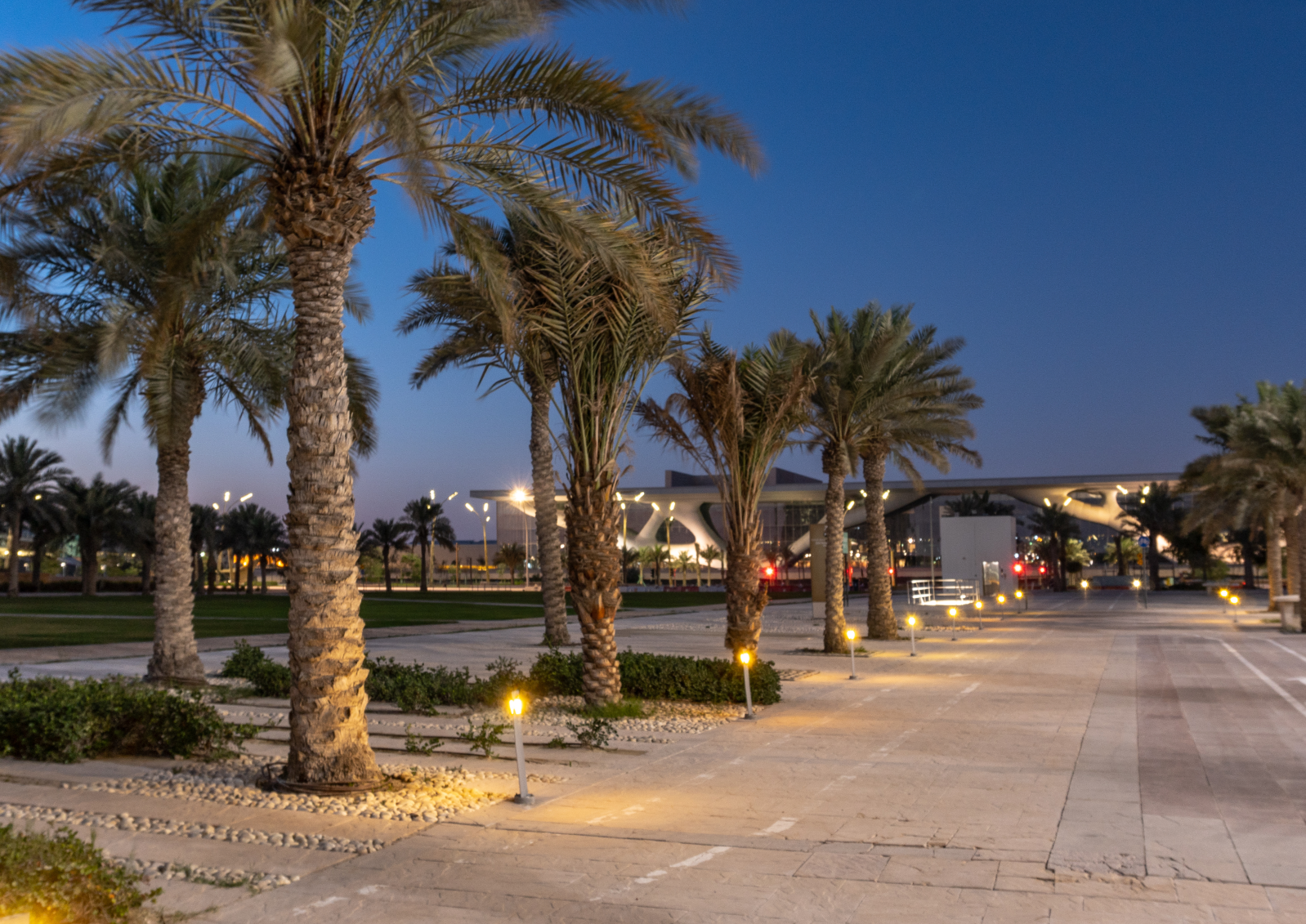
The Ceremonial Green Spine was the first line drawn on Qatar Foundation’s master plan for Education City in 1992. This line connects two celebration spaces: Qatar National Convention Center, an indoor space, and the Ceremonial Court, which is outdoors. It also divides the higher education facilities of the entire campus from those that offer primary and secondary education.
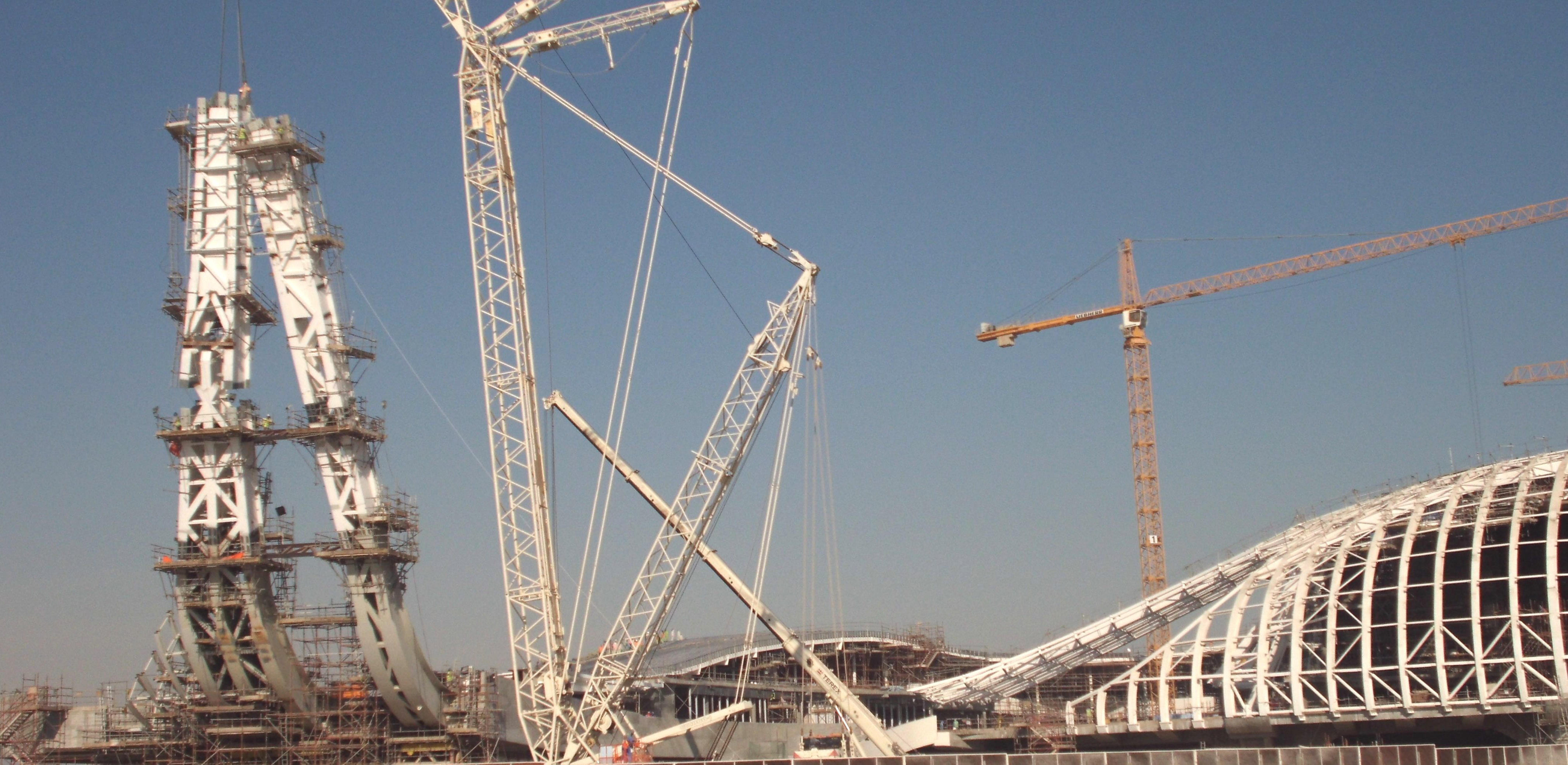
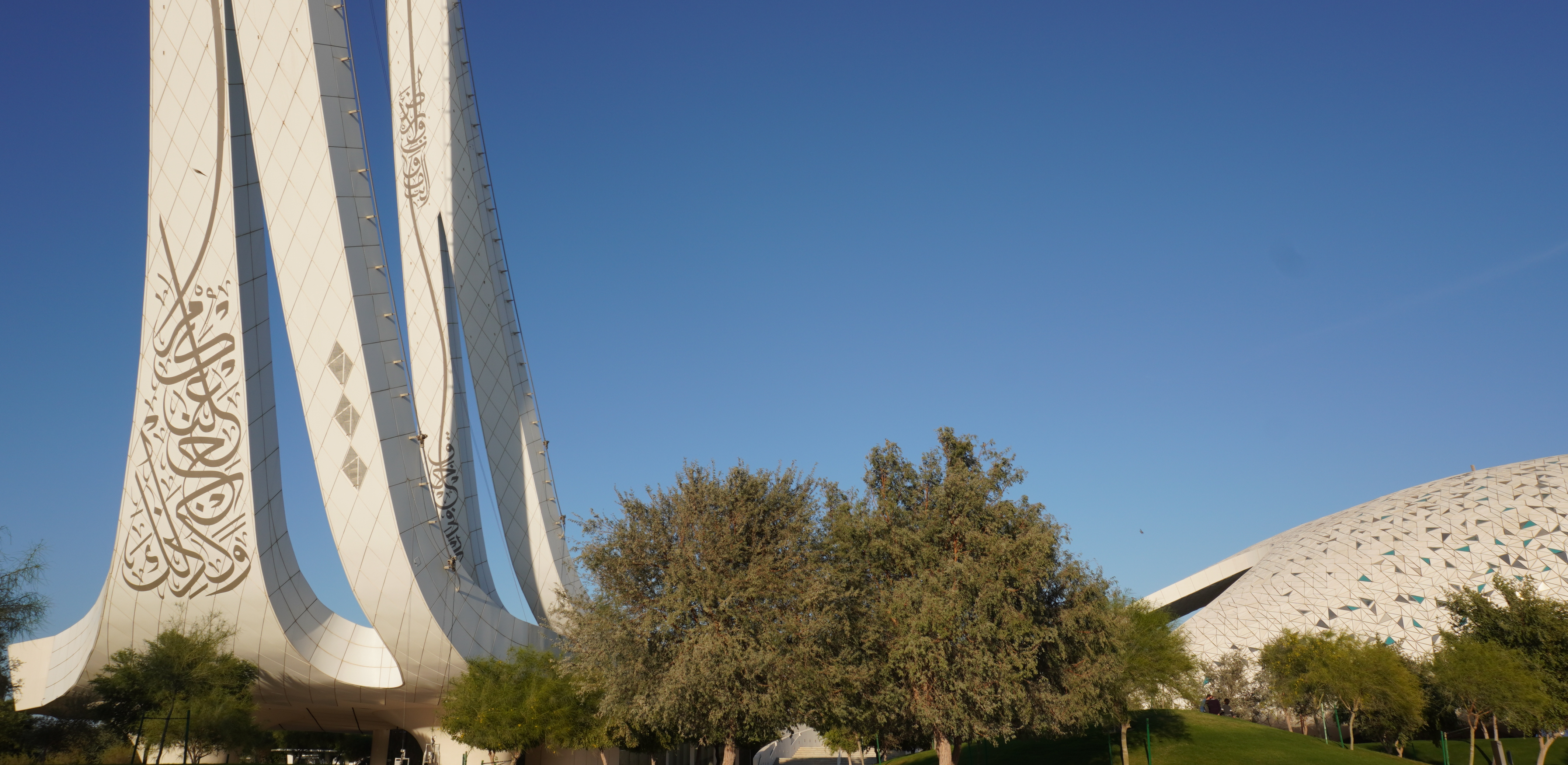
Minaretein – which houses the Education City Mosque and Hamad Bin Khalifa University’s Colleges of Islamic Studies, Law and Public Policy – features minarets that are the highest structures in Education City. They are 90 meters tall and point towards Makkah. The building rests on five main structural columns, which represent the five pillars of Islam. There are also four streams that siphon water to a garden in the center of the building. Each of these represent the four rivers of Paradise promised in the Qur’an: water, honey, milk and wine.

 Abdullah Imran Tahir